
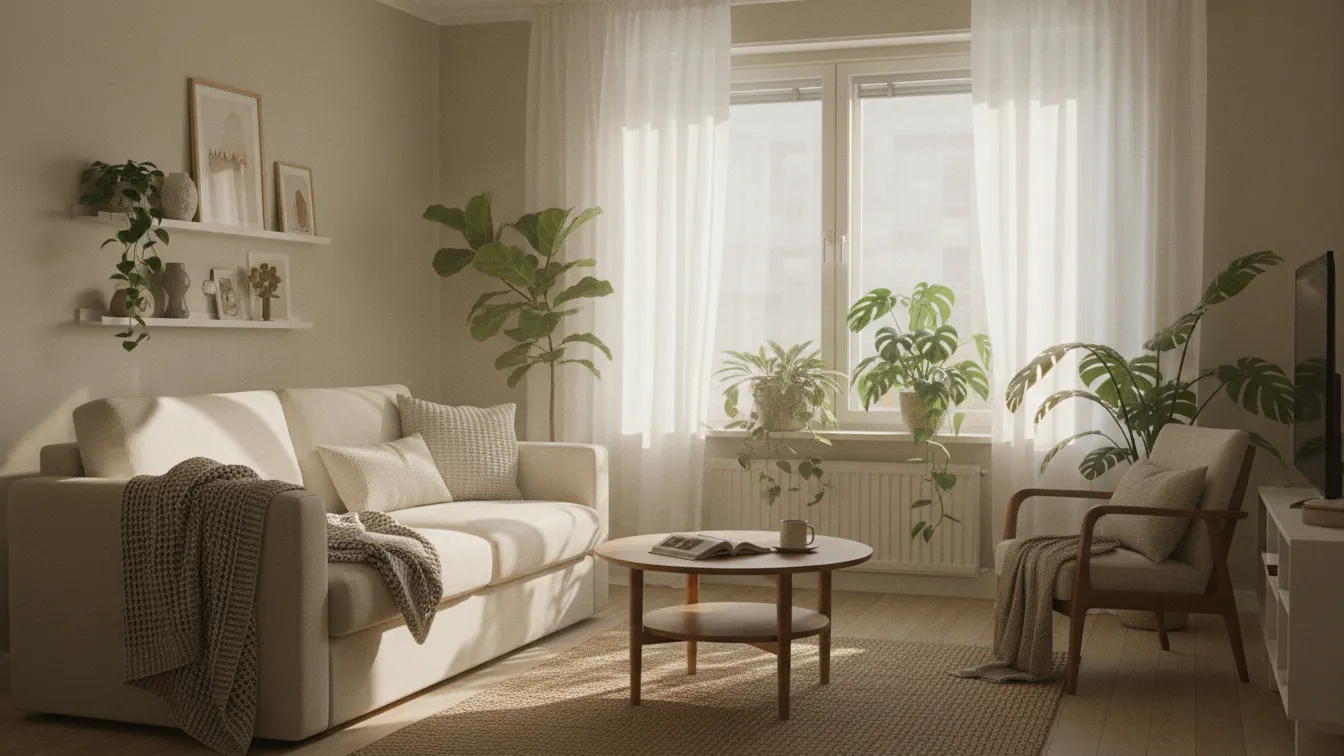
Living in a small space has a way of sharpening your senses. You become more aware of light, movement, and the quiet relationship between objects and daily rituals. Every chair, shelf, and corner starts to matter. And while limited square footage can feel restrictive at first, it often leads to something better: a home that is intentional, expressive, and deeply personal.
Apartments and compact homes reflect how many of us live today—urban, layered, and mindful of what we truly need. Maximizing a small space isn’t about cramming more in. It’s about shaping a home that supports your routines, holds your memories, and feels calm rather than crowded.
Curated Ideas to Make Every Inch Count
Rethinking How Space Is Used
1. Let furniture float instead of hugging walls
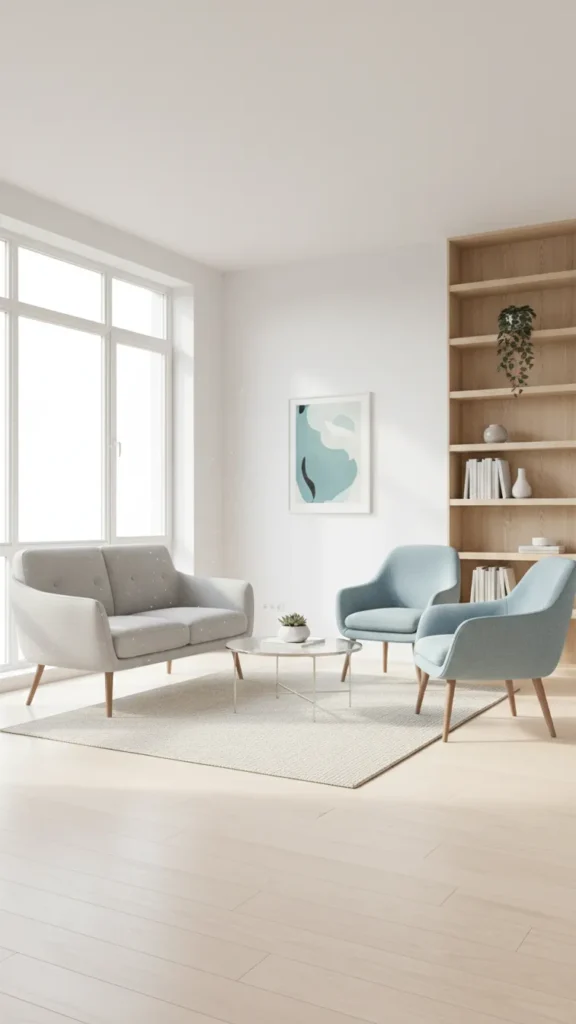
Pulling a sofa or chair slightly away from the wall can create visual depth and define zones without adding bulk. The room feels considered, not boxed in.
2. Choose pieces that reveal the floor
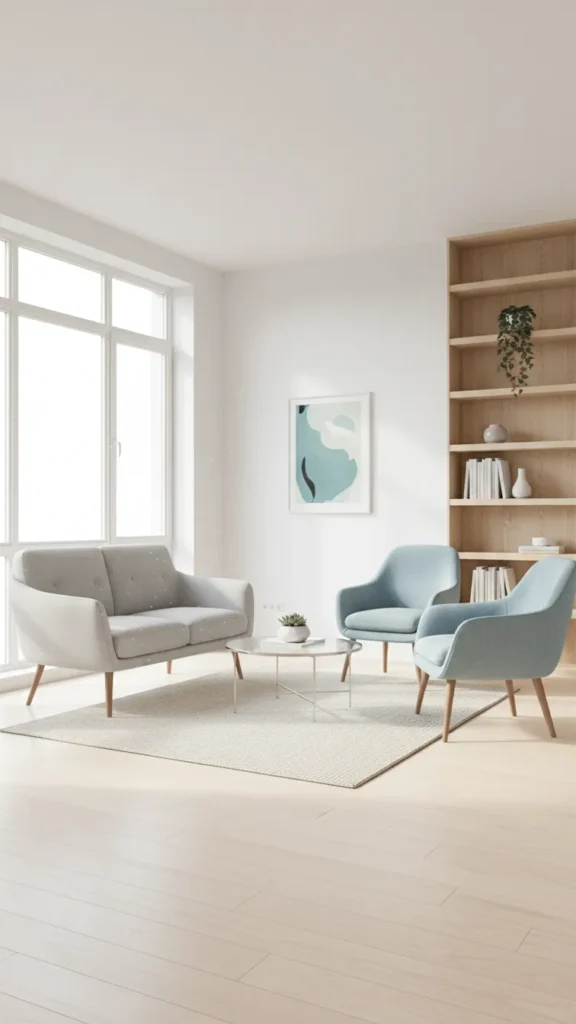
Furniture with legs—beds, sofas, cabinets—allows light and sightlines to pass underneath, making rooms feel lighter and more open.
3. Use rugs to create invisible rooms
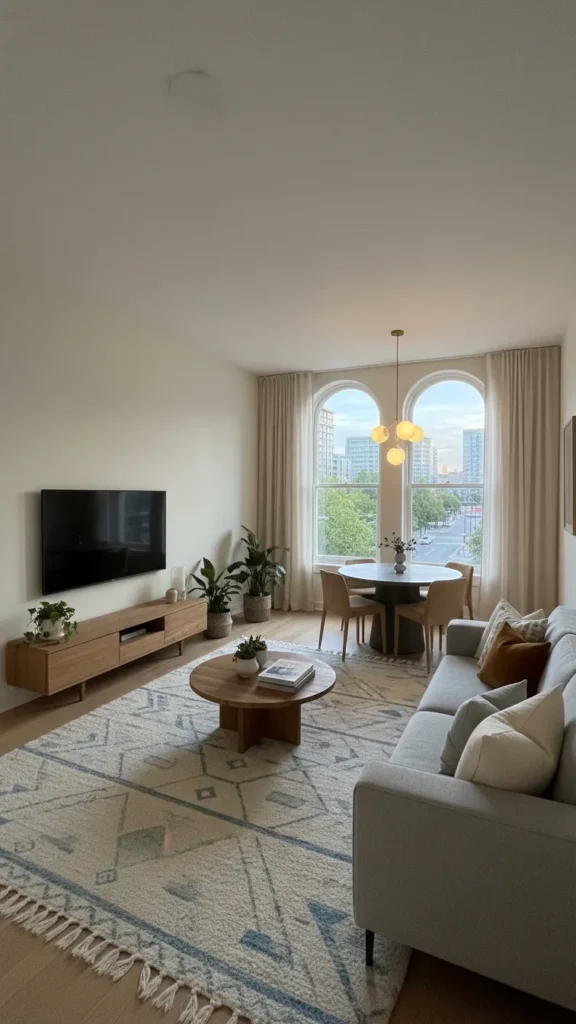
A well-placed rug can quietly define living, dining, or sleeping areas in a studio without walls or dividers.
4. Embrace negative space
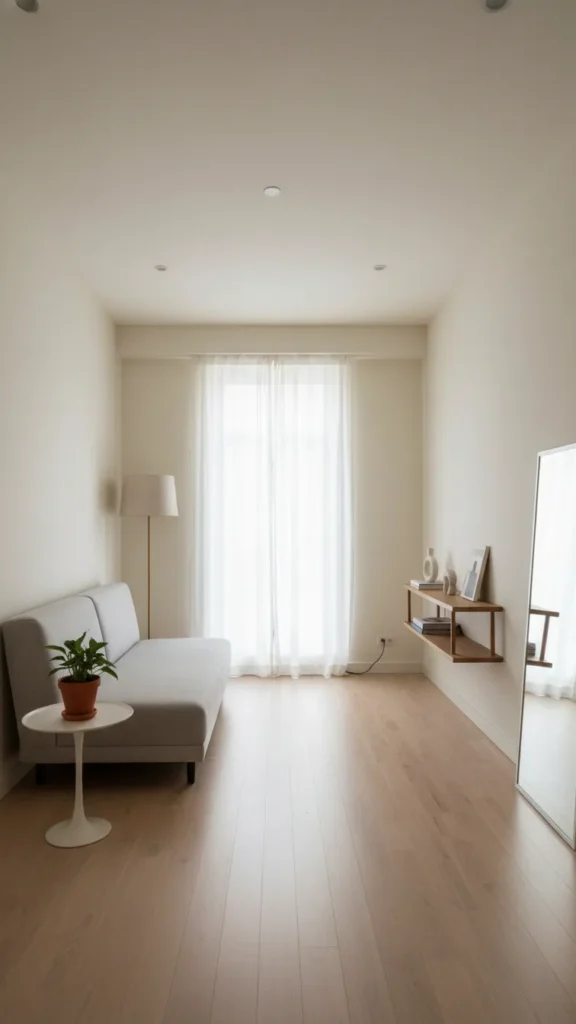
Empty areas aren’t wasted—they give the eye a place to rest and make what is there feel more intentional.
5. Think vertically, not horizontally
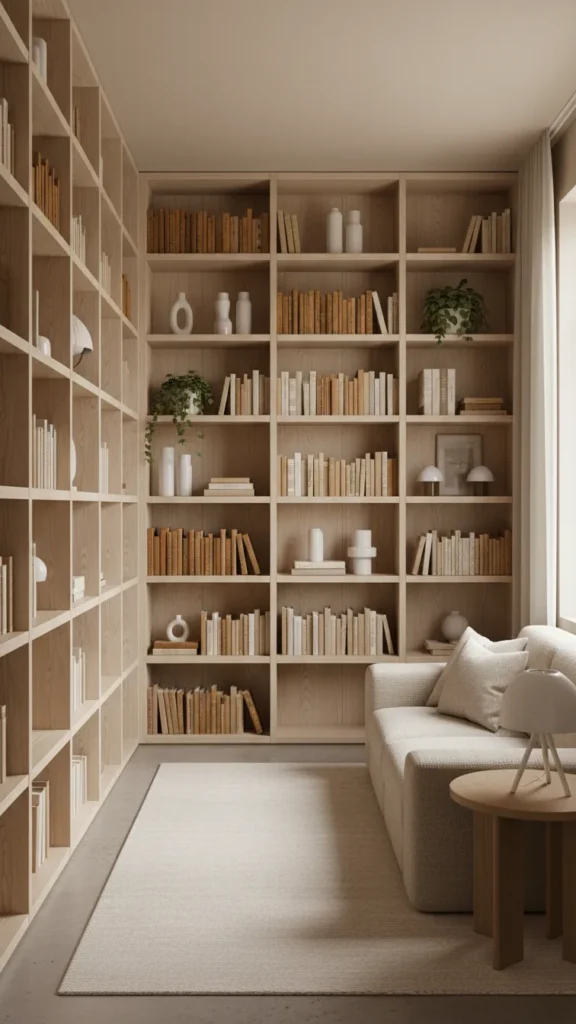
When floor space is limited, walls become opportunities for storage, display, and even seating.
Storage That Feels Invisible
6. Built-ins that blend into walls
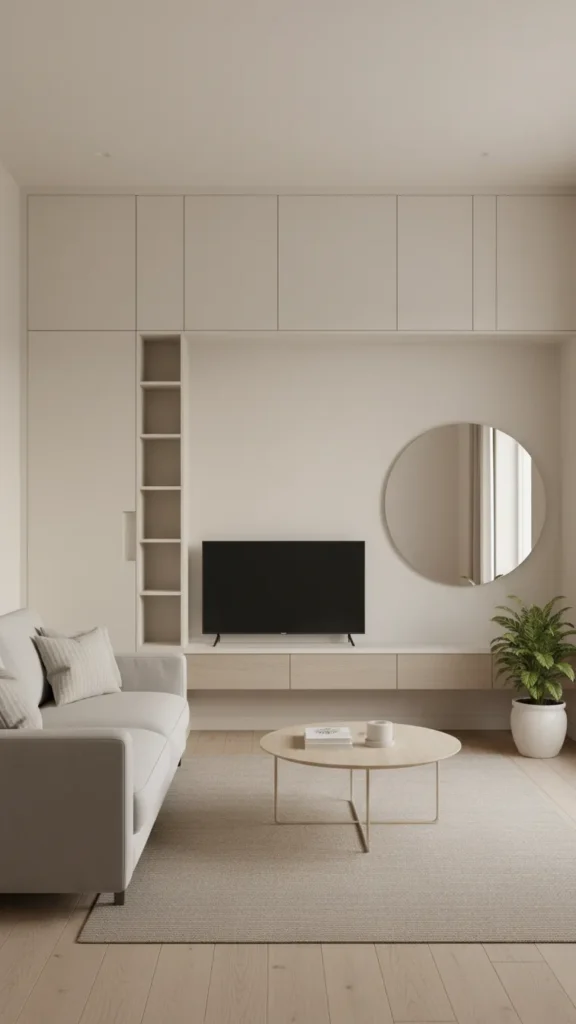
Shelving or cabinetry painted the same color as the walls recede visually, offering storage without visual clutter.
7. Storage under everyday furniture
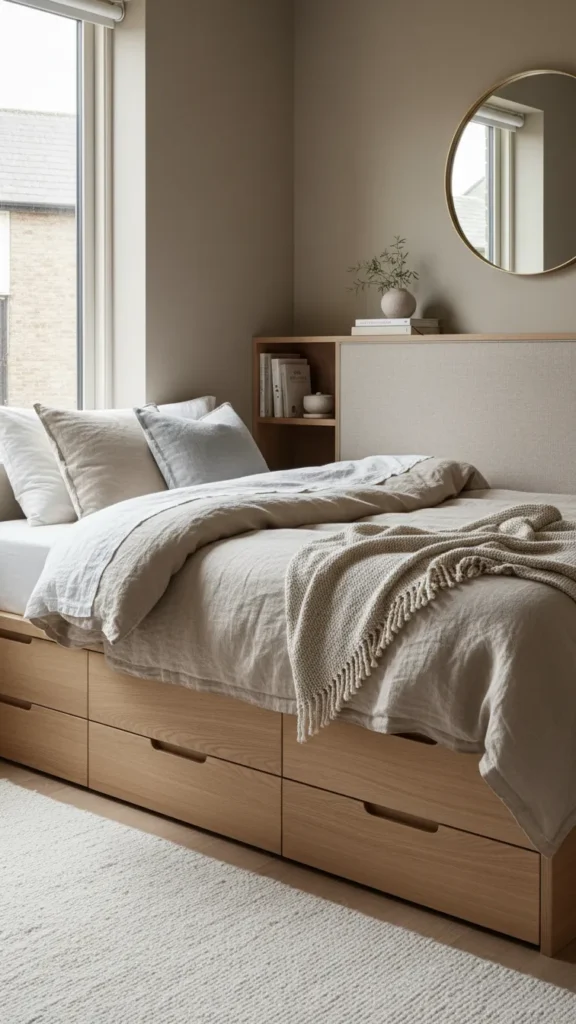
Beds, benches, and ottomans with hidden compartments quietly work behind the scenes, holding what you don’t need daily.
8. Hooks as design elements
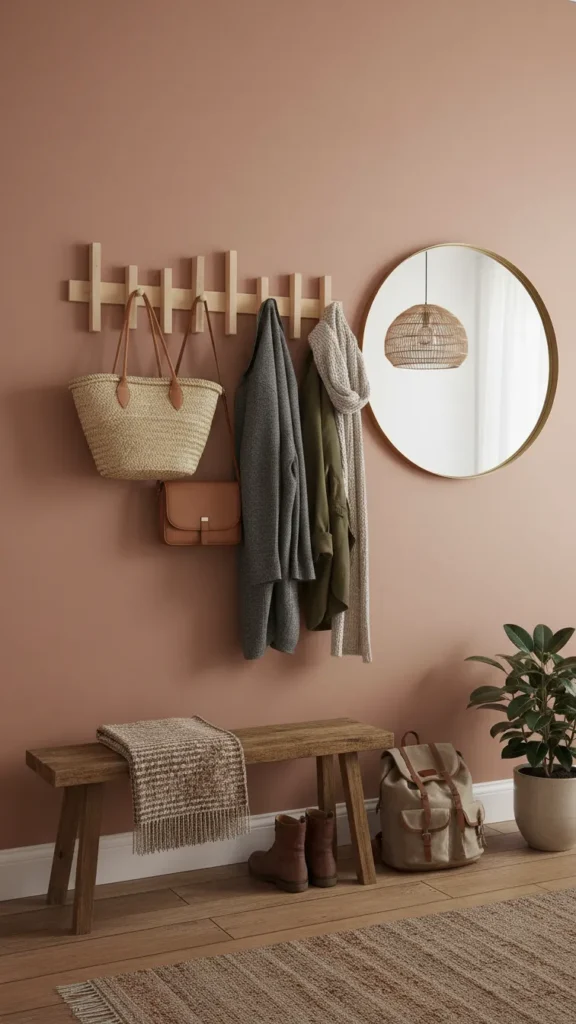
Thoughtfully placed hooks for coats, bags, or hats can feel decorative rather than utilitarian.
9. Use the space above doors
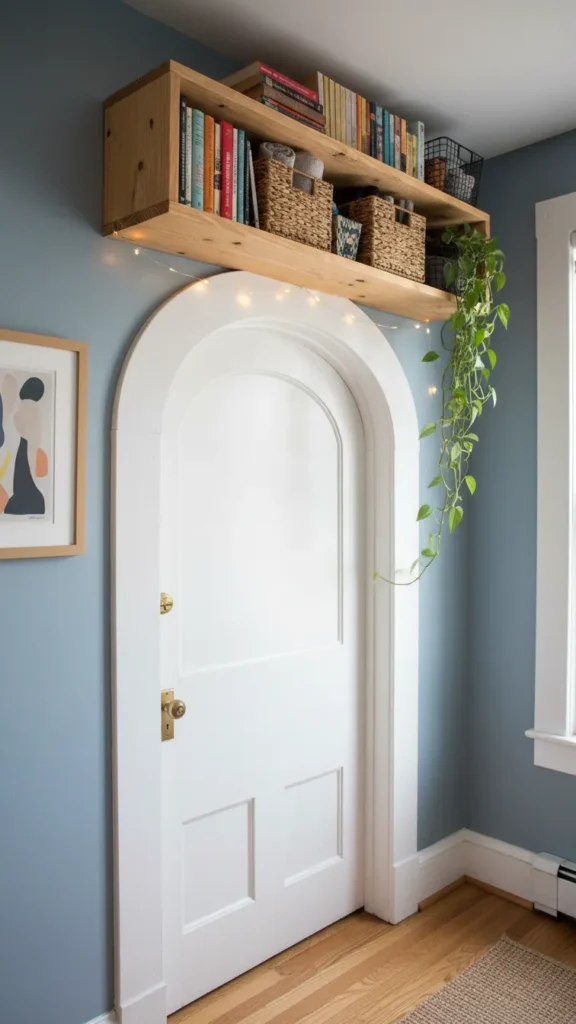
A slim shelf above a doorway is perfect for books or baskets—often overlooked but surprisingly effective.
10. Closed storage for visual calm
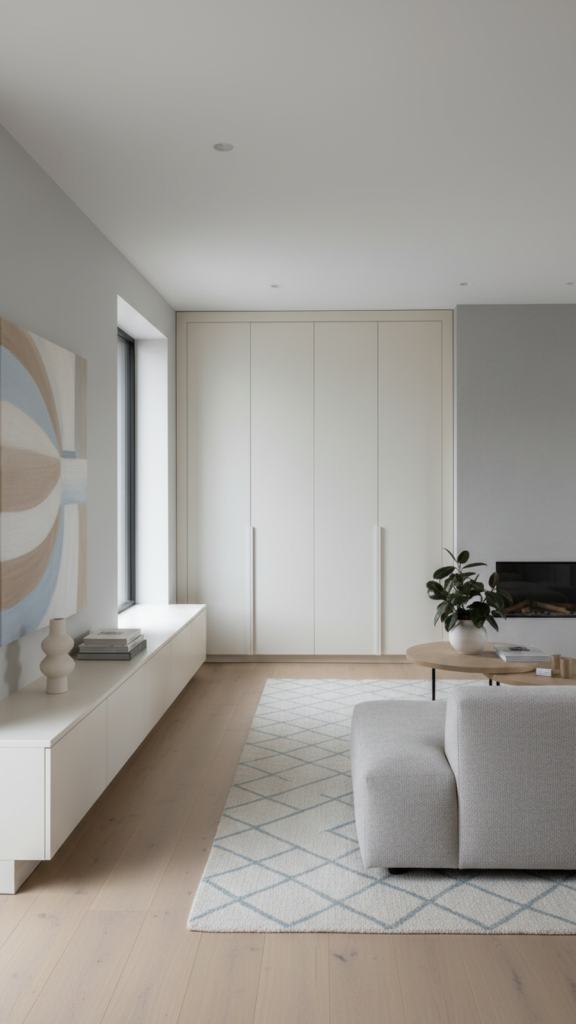
Cabinets, boxes, and drawers keep visual noise at bay, especially in open-plan apartments.
Furniture That Earns Its Place
11. Extendable dining tables
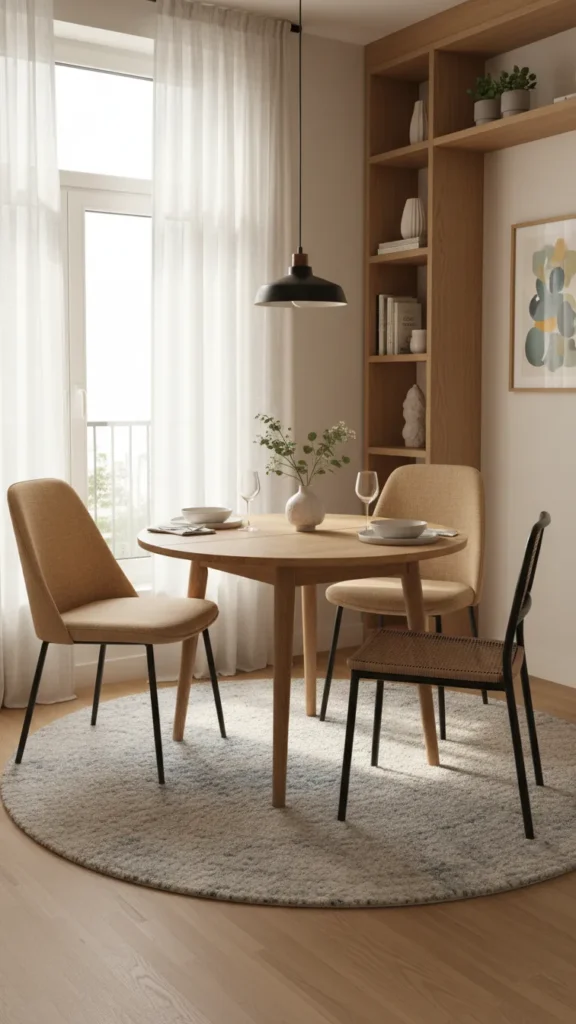
Compact for daily life, generous when guests arrive—flexibility is the quiet luxury of small spaces.
12. Sofas that convert without fuss
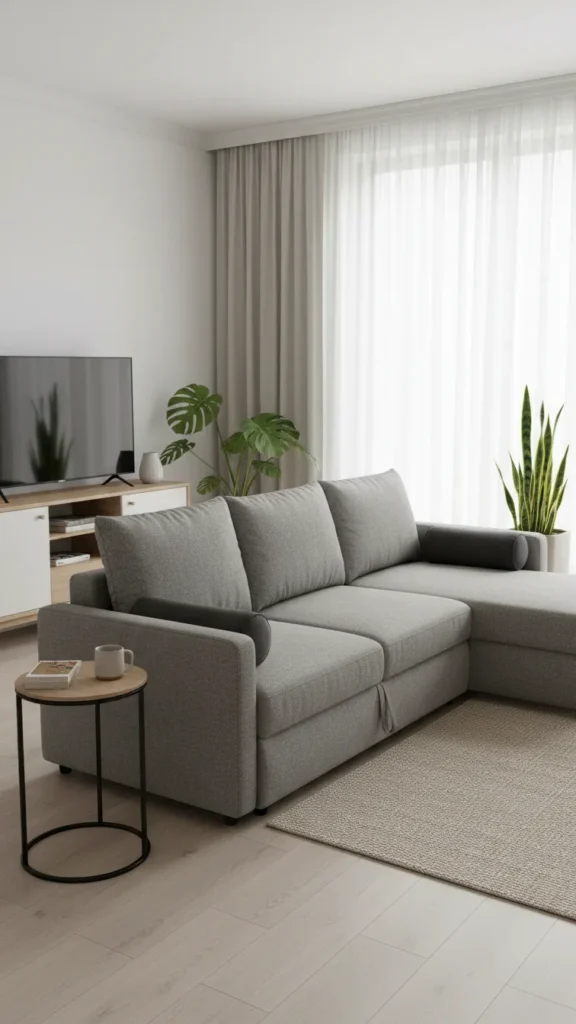
Modern sleeper sofas no longer feel like compromises; they support both everyday comfort and overnight guests.
13. Nesting tables instead of one large piece
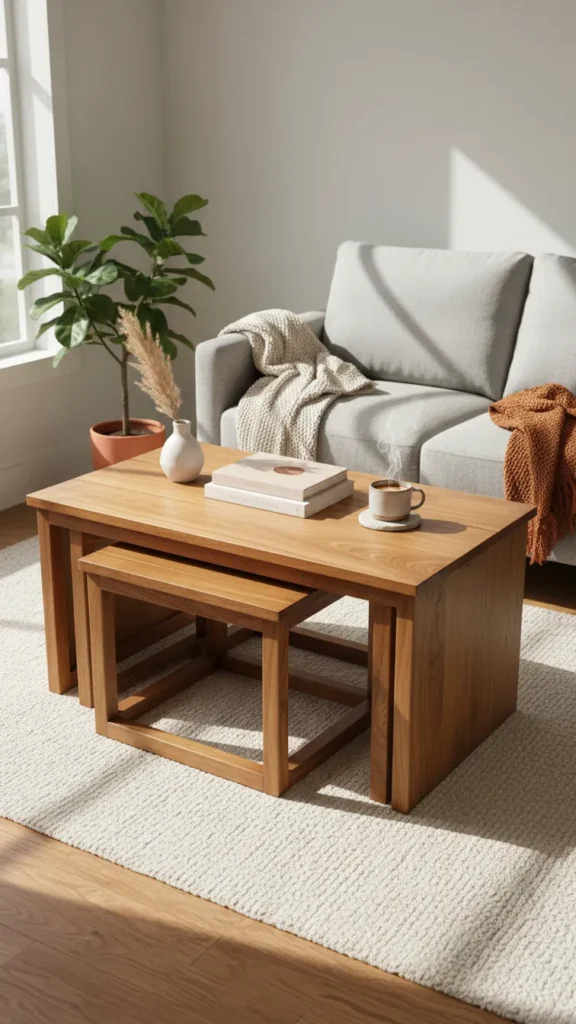
They adapt to different moments—coffee, work, entertaining—then tuck neatly away.
14. Wall-mounted desks
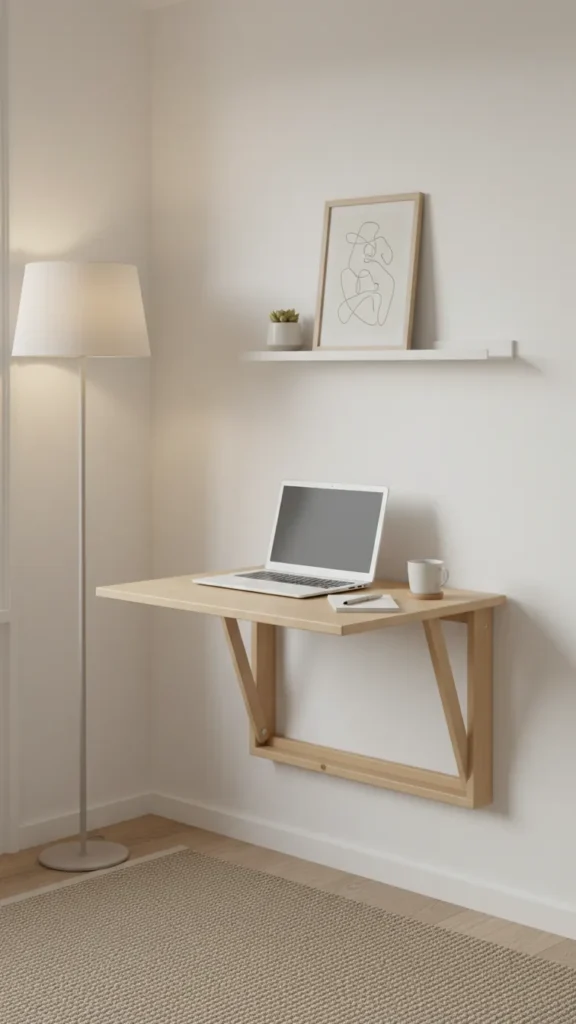
A slim desk that folds down creates a workspace without claiming permanent territory.
15. Benches instead of bulky chairs
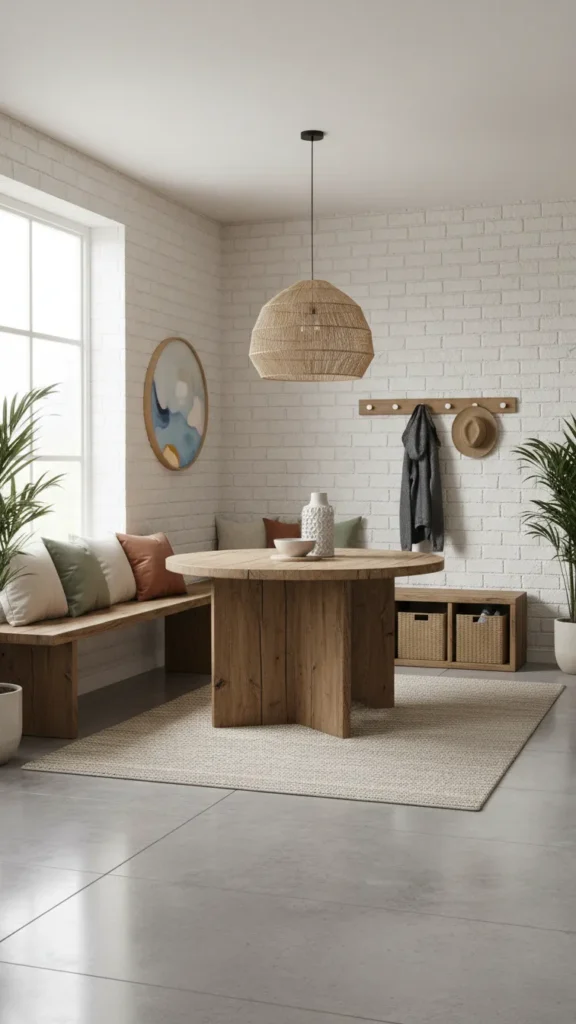
Benches offer seating, storage, and visual simplicity, especially in dining or entry areas.
Light, Color, and Atmosphere
16. Light walls with depth, not starkness
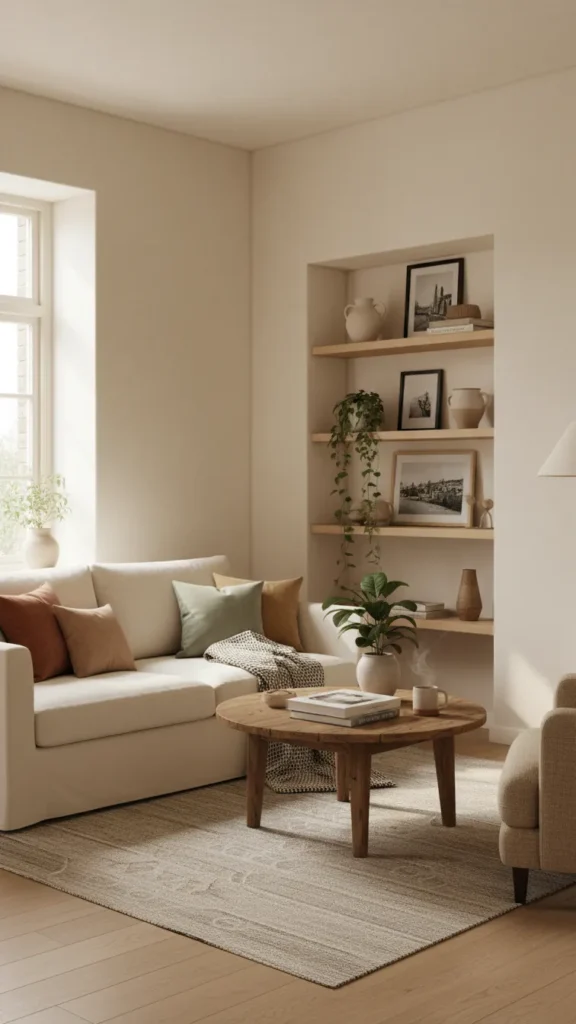
Soft whites, warm beiges, and muted tones reflect light while still feeling cozy and lived-in.
17. Mirrors placed with intention
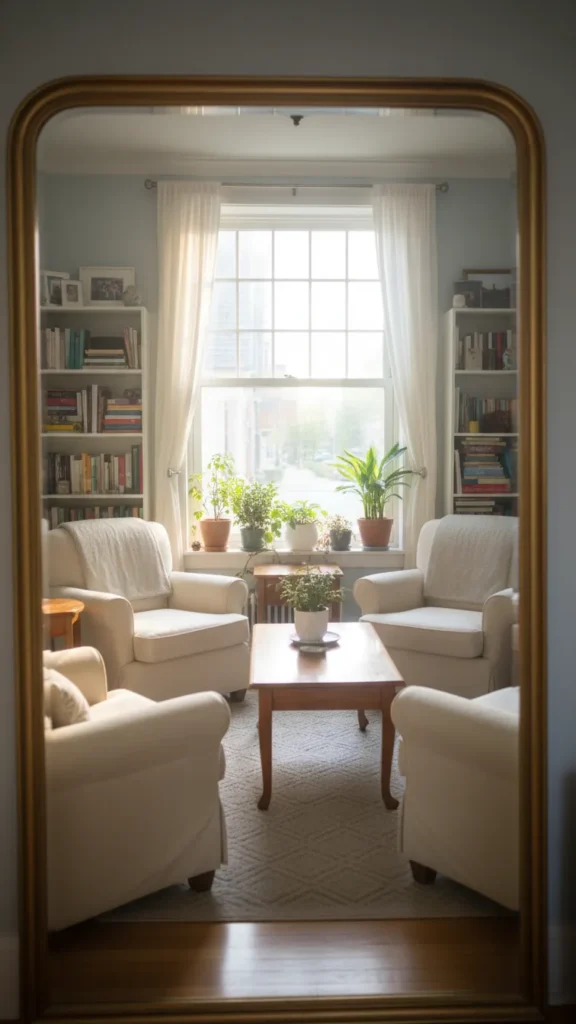
A mirror opposite a window doubles light and creates the illusion of added space without feeling obvious.
18. Layered lighting over overhead glare
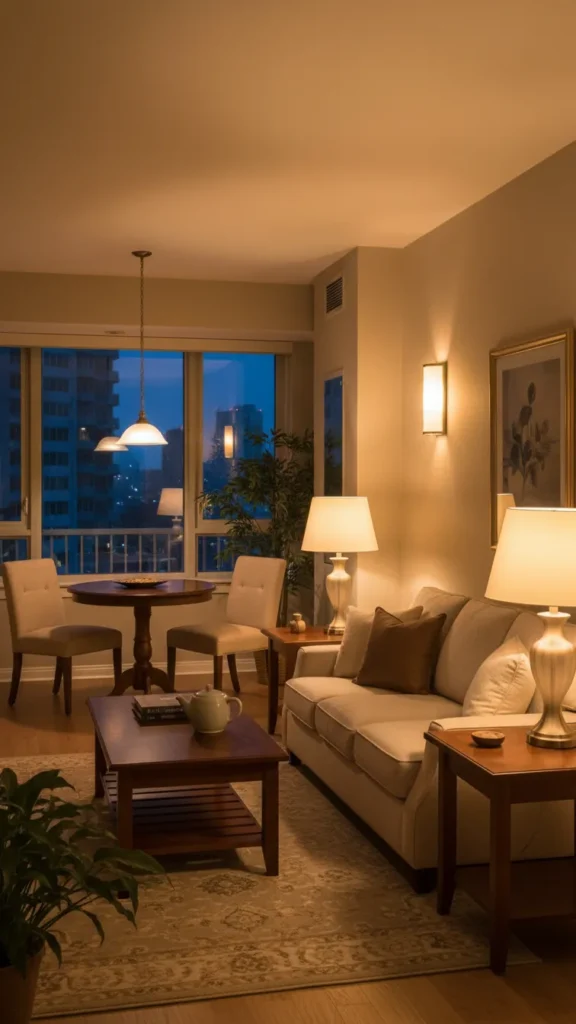
Table lamps, wall sconces, and floor lamps create warmth and flexibility, making rooms feel larger and more inviting.
19. Sheer curtains instead of heavy drapes
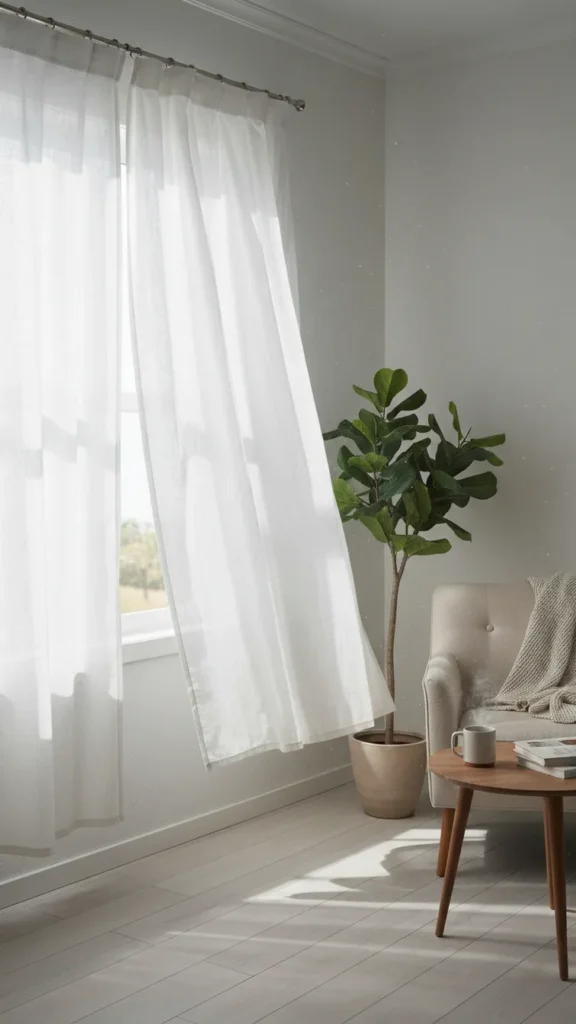
They soften light without blocking it, maintaining privacy while preserving openness.
20. Consistent color palettes
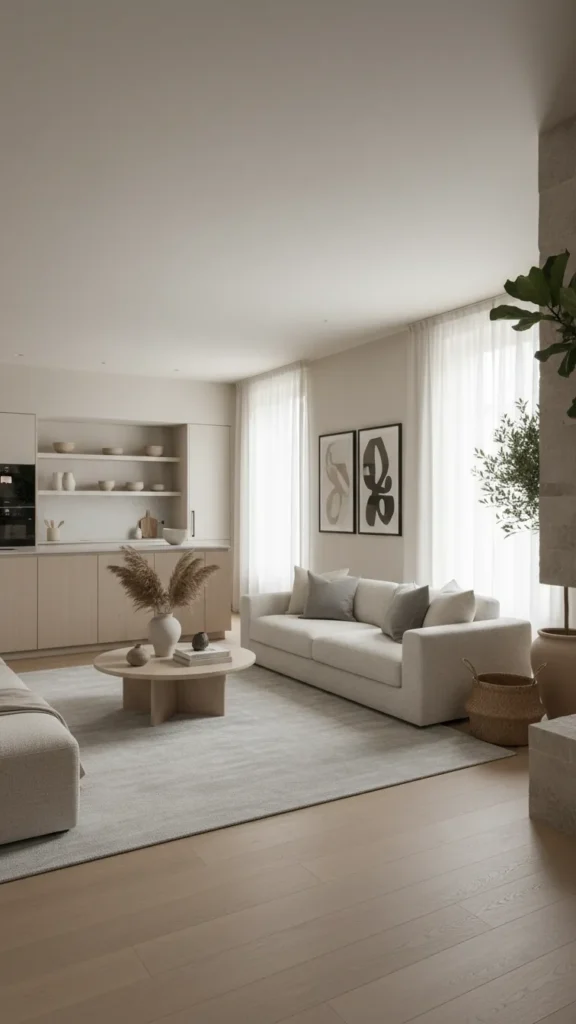
Repeating a limited range of colors throughout the apartment creates flow and cohesion.
Smart Zoning Without Walls
21. Open shelving as a soft divider
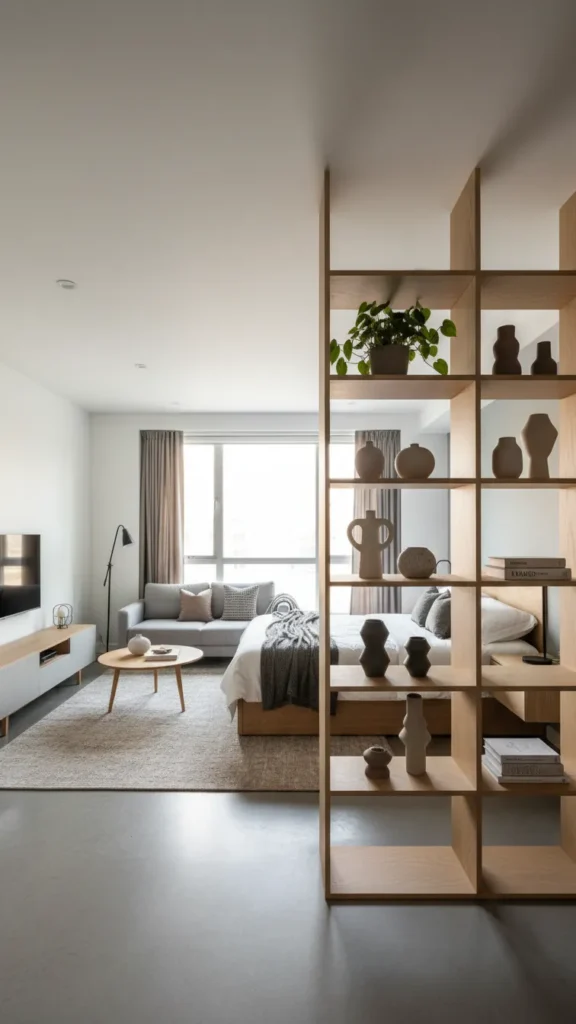
Shelves allow light to pass through while subtly separating areas.
22. Curtains for flexible separation
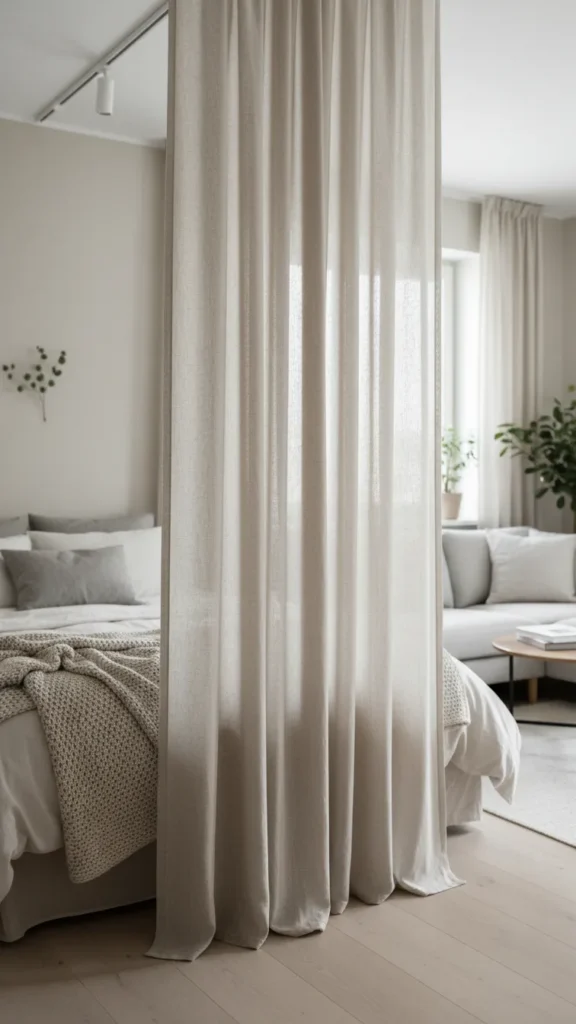
A simple curtain can divide sleeping and living spaces without permanent construction.
23. Change flooring textures between zones
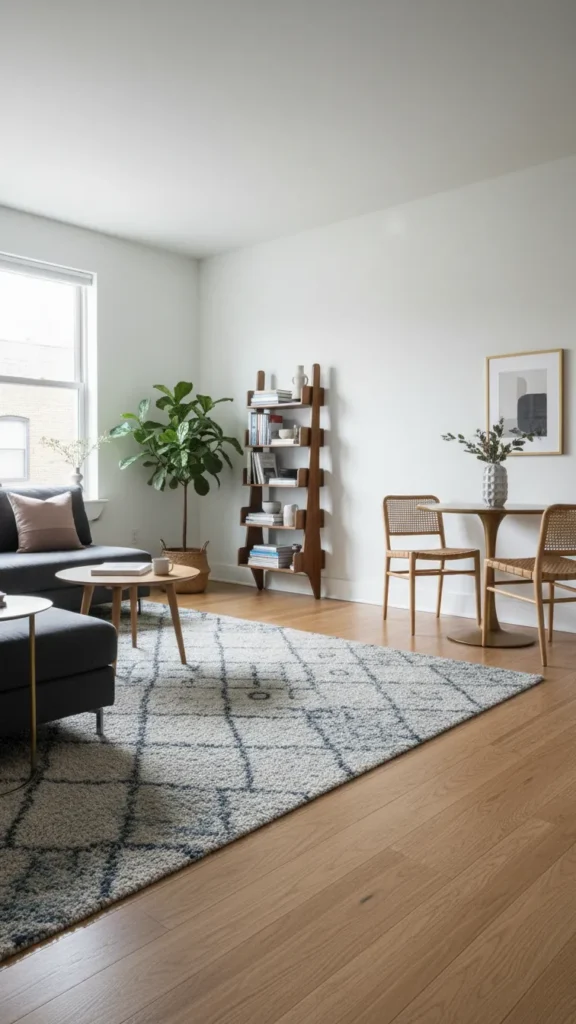
Even a shift from wood to rug helps define purpose without physical barriers.
24. Furniture orientation as a guide
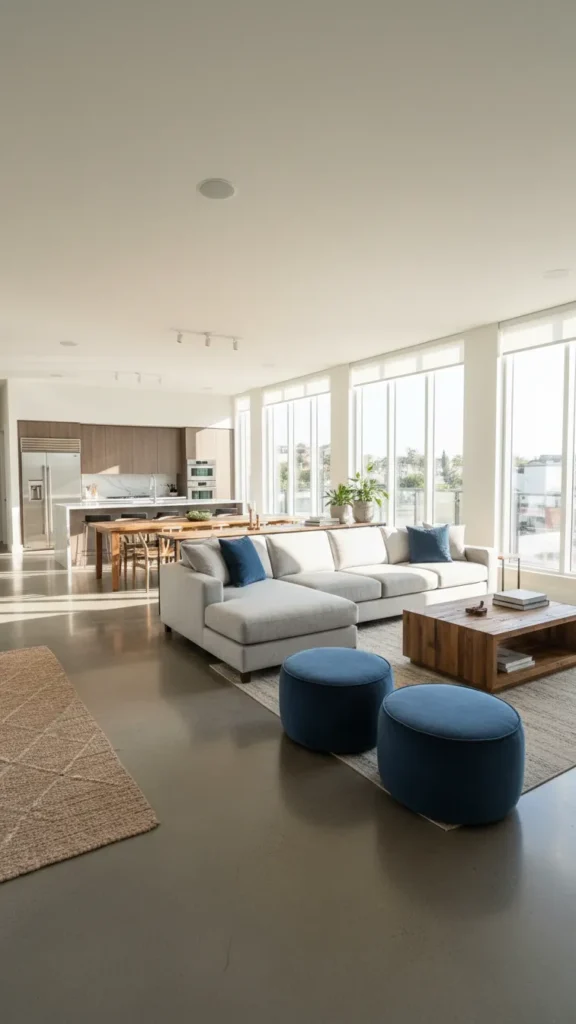
The direction a sofa or bed faces naturally signals how a space is meant to be used.
Everyday Details That Matter
25. Keep surfaces mostly clear
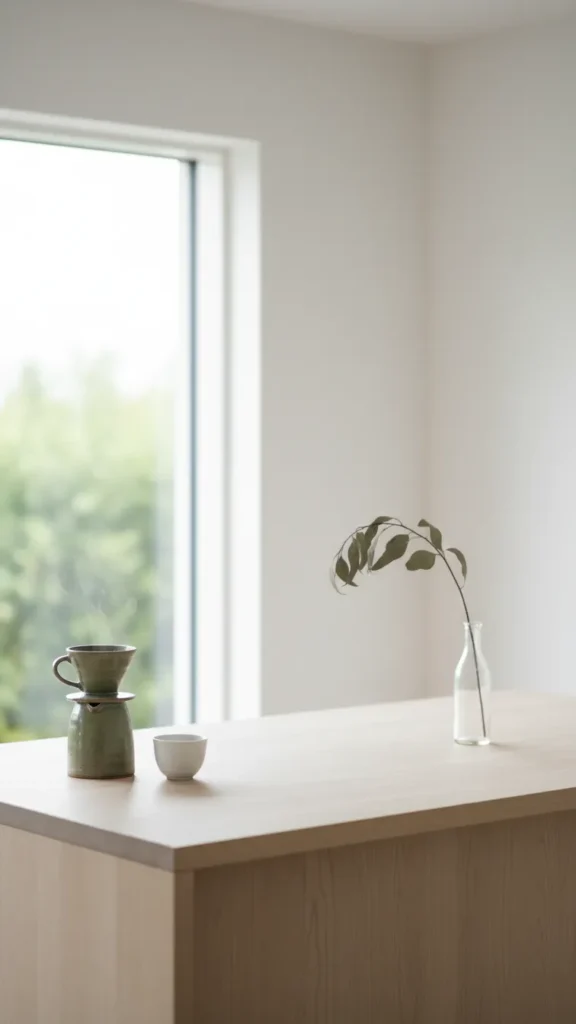
Open counters and tables instantly make rooms feel more spacious and calmer.
26. Rotate decor seasonally
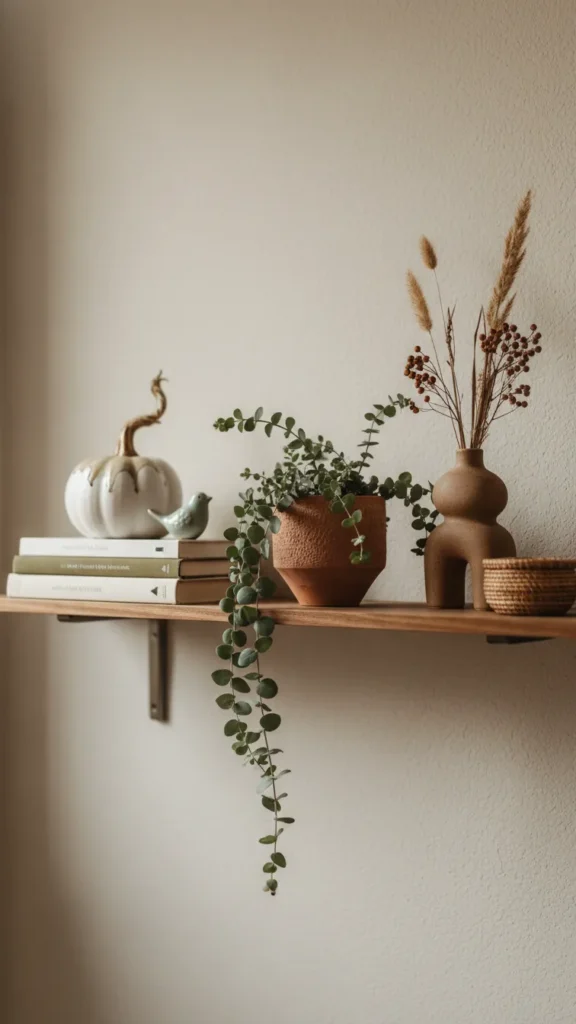
Storing some items and rotating them keeps the space feeling fresh without adding more.
27. Choose fewer, meaningful decorative pieces
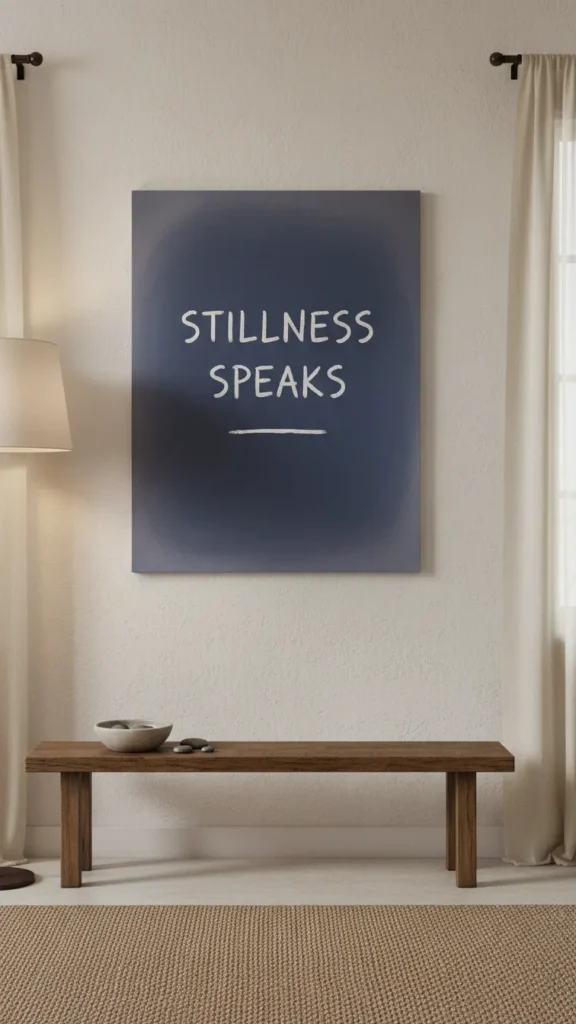
A single artwork or sculptural object often has more impact than many small ones.
28. Wall-mounted nightstands
They free up floor space and feel lighter beside the bed.
29. Use baskets to soften storage
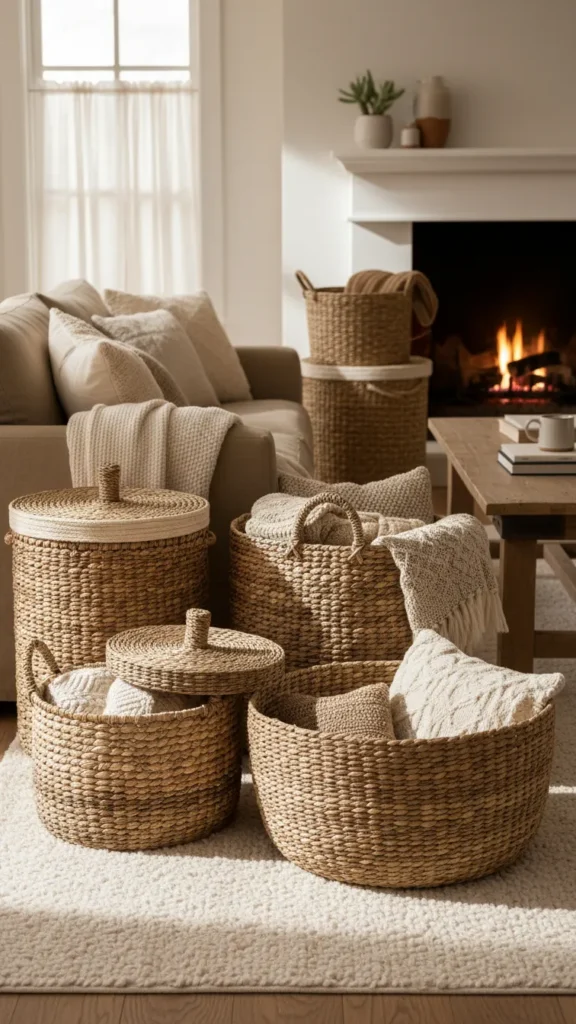
Woven textures add warmth while keeping essentials contained.
30. Edit regularly, gently, and without guilt
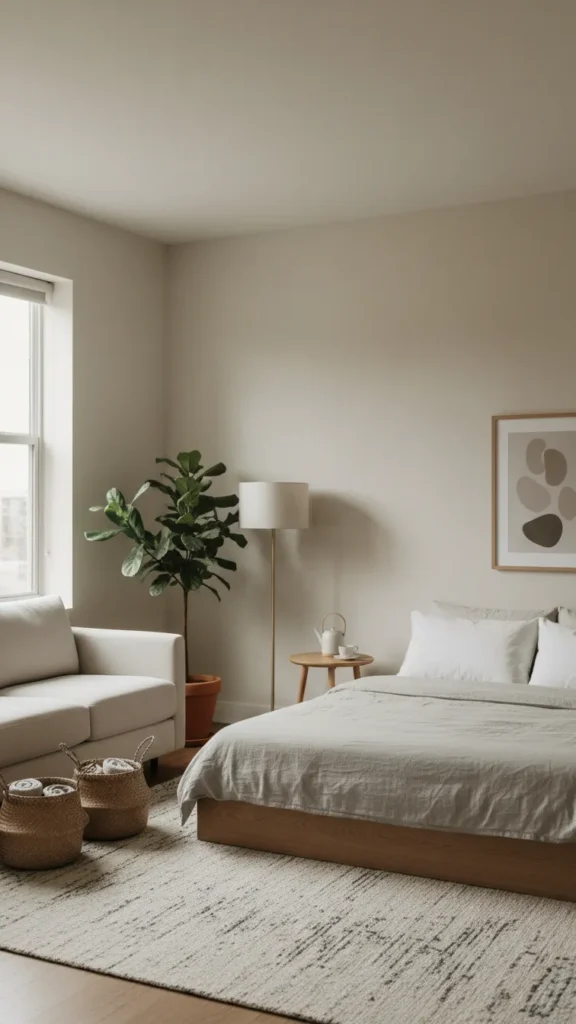
Small spaces benefit from periodic reflection—what still serves you, and what no longer does.
A Final Reflection
Small spaces ask us to live with intention. They remind us that comfort isn’t about abundance, but about alignment—between our habits, our values, and our surroundings. When every inch is considered, a home begins to feel expansive in ways that have nothing to do with size.
With thoughtful choices and a calm, curious approach, even the smallest apartment can hold beauty, functionality, and ease—not by doing more, but by choosing better.